MS Pipes vs GI Pipes: Difference, Weight Chart & Buying Guide
Mild-steel and galvanized-iron pipes look similar but are selected for very different jobs. This guide explains the practical difference, the two key Indian Standards (IS 1239 and IS 3589), brand-wise weight charts and how to choose — written from the trade counter of a distributor that has been moving these pipes since 1961.
What Are MS Pipes and GI Pipes?
Both are widely used in industrial, commercial and utility piping. The base tube is essentially the same — what changes is the surface treatment, and that single change is what decides where each one belongs on site.
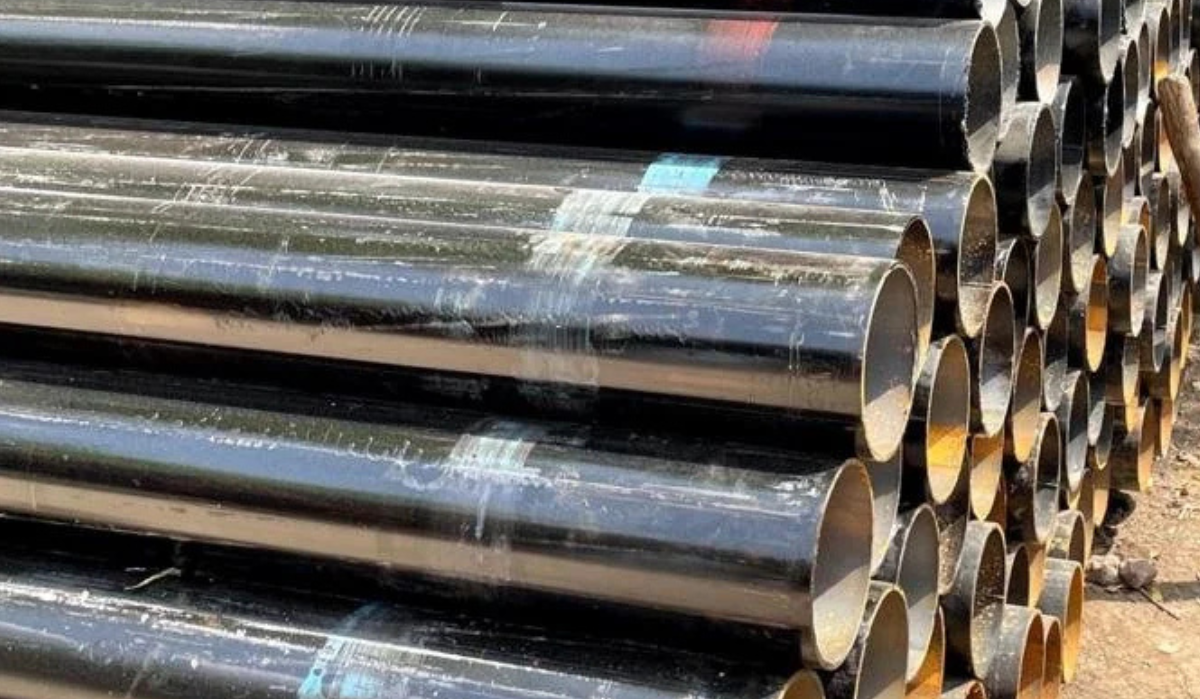
MS Pipes (Mild Steel)
MS pipes are made from mild steel and are supplied in their natural, uncoated form — black, bare, painted or coated separately depending on the requirement.
They are the workhorse pipe for fabrication, structural work, air and gas lines, supports and indoor industrial piping where strength, weldability and cost matter more than corrosion resistance.
- Industrial piping and process lines
- Fabrication, frames and structural supports
- Air, gas and steam service lines
- General engineering and welded assemblies
- Hollow sections (RHS / SHS) for structural use
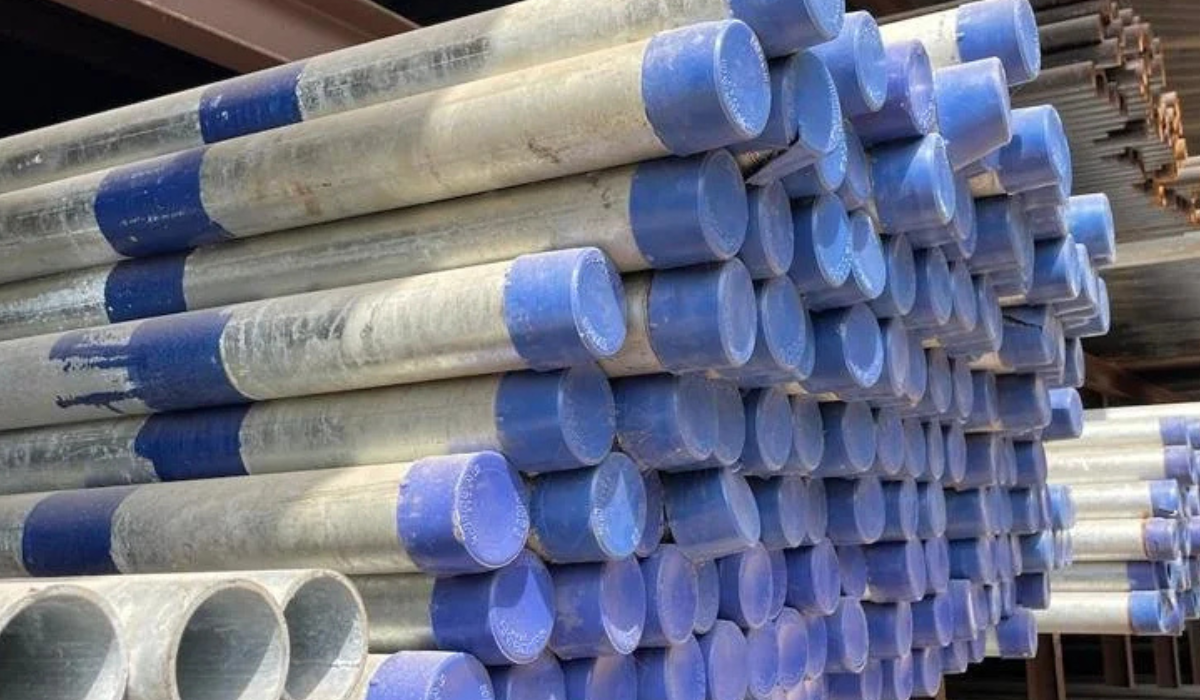
GI Pipes (Galvanized)
GI pipes are MS / steel pipes that have been hot-dip galvanized — dipped in molten zinc after manufacture so a metallurgically bonded zinc layer covers the inside and outside.
The zinc skin gives the pipe sacrificial corrosion protection, which is why GI is the default for water supply, plumbing, outdoor utility lines and any application where moisture or weather exposure is part of life.
- Domestic and commercial water supply
- Plumbing and risers in buildings
- Outdoor utility and irrigation lines
- Fire-fighting lines (where GI is specified)
- Agriculture and general service piping
Quick Comparison: MS Pipes vs GI Pipes
The full picture in one table — what most customers screenshot and forward.
| Point | MS Pipes | GI Pipes |
|---|---|---|
| Full form | Mild Steel Pipes | Galvanized Iron Pipes (historic term — actually galvanized steel) |
| Base material | Mild / carbon steel | Mild steel tube with hot-dip zinc coating |
| Surface finish | Black, bare, painted or separately coated | Zinc-galvanized inside and outside |
| Primary strength | Strength, weldability, fabrication ease | Built-in corrosion protection |
| Corrosion behaviour | Rusts unless painted or coated | Resists rust well in most environments |
| Welding | Welds cleanly and easily | Weldable, but zinc burns off near the joint — needs grinding back and re-coating |
| Typical applications | Fabrication, structure, indoor industrial, air / gas lines | Water supply, plumbing, outdoor utility, fire lines |
| Cost (per tonne) | Lower | Higher — galvanizing adds cost |
| Common Indian Standards | IS 1239, IS 3589, IS 1161, IS 4923 | IS 1239 (galvanized variant) |
| Selection basis | Size, OD, class / thickness, application, brand | Size, class, galvanizing weight, application, brand |
IS 1239 & IS 3589 — The Two Standards That Matter
Most MS and GI pipe sold in India is supplied to one of two standards. Knowing which one applies to your size range is the single most useful piece of buying knowledge.
IS 1239 — Steel Tubes (small to mid sizes)
IS 1239 covers mild-steel tubes and tubulars used in water, gas, air and steam service. In practical terms, it is the standard for the round MS and GI pipe you specify by “NB and class.”
Pipes are selected by nominal bore (NB) from 1/2″ up to 6″, and by class — Class A (Light), Class B (Medium) or Class C (Heavy) — which sets the wall thickness and therefore the kg-per-metre.
If your enquiry mentions 1″ medium GI or 4″ B-class MS, you are in IS 1239 territory.
IS 3589 — Larger ERW & SAW Pipes
IS 3589 is the Indian Standard for larger steel pipes used in water and sewage service, typically supplied as ERW (electric resistance welded) or SAW (submerged arc welded) depending on diameter.
Unlike IS 1239, IS 3589 pipes are selected by outside diameter (OD) and wall thickness in mm rather than by class — e.g. 8″ × 6 mm, 10″ × 6.35 mm, 16″ × 8 mm.
Project enquiries asking for OD-and-thickness almost always fall under IS 3589.
MS & GI Pipe Weight Charts
Pipe weight per metre depends on size, outside diameter and either class (IS 1239) or wall thickness (IS 3589). Use the charts below as a buying reference; final dispatch weight is confirmed at our end before invoicing.
Jindal Hissar MS & GI Pipe Weight Chart — IS 1239
Class A / B / C, sizes 1/2″ to 6″, weights in kg/m.
| Size (NB) | OD (mm) | Class A / Light (kg/m) | Class B / Medium (kg/m) | Class C / Heavy (kg/m) |
|---|---|---|---|---|
| 1/2″ | 21.30 | 0.947 | 1.21 | 1.44 |
| 3/4″ | 26.70 | 1.36 | 1.56 | 1.87 |
| 1″ | 33.40 | 1.98 | 2.41 | 2.97 |
| 1-1/4″ | 42.20 | 2.54 | 3.10 | 3.84 |
| 1-1/2″ | 48.30 | 3.23 | 3.56 | 4.41 |
| 2″ | 60.30 | 4.08 | 5.03 | 6.19 |
| 2-1/2″ | 76.20 | 5.71 | 6.42 | 7.93 |
| 3″ | 88.90 | 6.72 | 8.36 | 10.10 |
| 4″ | 114.30 | 9.75 | 12.20 | 14.50 |
| 5″ | 141.30 | – | 15.90 | 17.90 |
| 6″ | 165.10 | – | 18.90 | 21.20 |
Jindal Hissar MS & GI Pipe Weight Chart — IS 3589
Sizes 8″ to 16″, wall thickness 4.85 mm to 9.50 mm, weights in kg/m.
| Size | OD (mm) | 4.85 mm | 5.00 mm | 6.00 mm | 6.35 mm | 7.00 mm | 8.00 mm | 9.50 mm |
|---|---|---|---|---|---|---|---|---|
| 8″ | 219.10 | 25.62 | 26.40 | 31.53 | 33.31 | 36.61 | 41.65 | 49.10 |
| 10″ | 273.10 | 32.08 | 33.06 | 39.52 | 41.77 | 45.93 | 52.30 | 61.75 |
| 12″ | 323.90 | 38.16 | 39.32 | 47.04 | 49.73 | 54.70 | 62.32 | 73.65 |
| 14″ | 355.60 | – | 43.23 | 51.73 | 54.69 | 60.18 | 68.57 | 81.08 |
| 16″ | 406.40 | – | – | 59.25 | 62.65 | 68.95 | 78.60 | 92.99 |
Jindal Star MS & GI Pipe Weight Chart — IS 1239
Class A / B / C, sizes 1/2″ to 6″, weights in kg/m.
| Size (NB) | OD (mm) | Class A / Light (kg/m) | Class B / Medium (kg/m) | Class C / Heavy (kg/m) |
|---|---|---|---|---|
| 1/2″ | 21.30 | 0.947 | 1.21 | 1.44 |
| 3/4″ | 26.70 | 1.36 | 1.56 | 1.87 |
| 1″ | 33.40 | 1.98 | 2.41 | 2.97 |
| 1-1/4″ | 42.20 | 2.54 | 3.10 | 3.84 |
| 1-1/2″ | 48.30 | 3.23 | 3.56 | 4.41 |
| 2″ | 60.30 | 4.08 | 5.03 | 6.19 |
| 2-1/2″ | 76.20 | 5.71 | 6.42 | 7.93 |
| 3″ | 88.90 | 6.72 | 8.36 | 10.10 |
| 4″ | 114.30 | 9.75 | 12.20 | 14.50 |
| 5″ | 141.30 | – | 15.90 | 17.90 |
| 6″ | 165.10 | – | 18.90 | 21.20 |
Jindal Star ERW Pipe Weight Chart — IS 3589
Sizes 8″ to 20″, wall thickness 4.85 mm to 9.50 mm, weights in kg/m.
| Size | OD (mm) | 4.85 mm | 5.00 mm | 6.00 mm | 6.35 mm | 7.00 mm | 8.00 mm | 9.50 mm |
|---|---|---|---|---|---|---|---|---|
| 8″ | 219.10 | 25.62 | 26.40 | 31.53 | 33.31 | 36.61 | 41.65 | 49.10 |
| 10″ | 273.10 | 32.08 | 33.06 | 39.52 | 41.77 | 45.93 | 52.30 | 61.75 |
| 12″ | 323.90 | 38.16 | 39.32 | 47.04 | 49.73 | 54.70 | 62.32 | 73.65 |
| 14″ | 355.60 | – | 43.23 | 51.73 | 54.69 | 60.18 | 68.57 | 81.08 |
| 16″ | 406.40 | – | – | 59.25 | 62.65 | 68.95 | 78.60 | 92.99 |
| 18″ | 457.00 | – | – | 66.73 | – | 77.68 | 88.58 | 104.84 |
| 20″ | 508.00 | – | – | 74.27 | – | 86.48 | 98.64 | 116.78 |
Industrial Applications
Both pipes do piping — but they sit in very different parts of a site.
MS Pipes — Strength & Fabrication
Default choice where the pipe has to be welded, framed, supported or routed indoors.
Fabrication Work
Frames, gates, brackets, supports and general fabrication where clean welds matter.
Structural Supports
Columns, trusses and load-bearing piping runs where weld strength is the priority.
Indoor Industrial Piping
Process lines, factory utilities and protected indoor runs as per specification.
Air & Gas Lines
Compressed air, instrument air and low-pressure gas service where MS is specified.
GI Pipes — Water & Outdoor Service
First choice anywhere moisture, weather or potable water is part of the duty.
Water Supply Lines
Building water mains, risers and distribution lines where galvanized finish is asked for.
Plumbing
Internal plumbing, hot and cold water lines, low-pressure utility runs.
Outdoor Utility Lines
Exposed runs along walls, terraces and yards where rust life is the deciding factor.
Fire-Fighting & Agriculture
GI fire lines where specified, and agricultural / irrigation service piping.
Which Pipe Should You Choose?
The shortest version: ask what kills the pipe first — load and welding stress, or moisture and weather. That answer picks the pipe.
Choose MS Pipes when…
- The pipe will be welded, cut and fabricated on site
- It is part of a structural assembly or framework
- The line runs indoors or under cover
- Surface protection will be handled separately (paint, primer, epoxy)
- Budget per tonne is a deciding factor
Choose GI Pipes when…
- The pipe will carry potable or service water
- It will sit outdoors or in a damp environment
- The project spec explicitly asks for galvanized finish
- Long maintenance-free life is more valuable than the cost saving
- The site has limited scope for repainting and recoating
| If your requirement is… | First option to check |
|---|---|
| Fabrication or structural work | MS Pipes |
| Welding-heavy work | MS Pipes |
| Indoor industrial piping | MS Pipes |
| Outdoor exposed utility line | GI Pipes |
| Water supply or plumbing line | GI Pipes |
| Better rust protection required | GI Pipes |
| Project spec asks for galvanized pipe | GI Pipes |
Top MS & GI Pipe Brands We Stock
Brand availability depends on size, class, thickness, quantity and current stock. Share your requirement and our team will revert with the right brand option.
Vijay Sales Corporation supplies MS and GI pipes from Jindal Hissar, Jindal Star and Surya — across IS 1239 round pipe (1/2″–6″) and IS 3589 ERW/SAW pipe (8″ and larger).

Why Source MS & GI Pipes From Vijay Sales Corporation
Vijay Sales Corporation has been distributing pipeline products since 1961 — over six decades on the Hauz Qazi trade counter, with a steady supply line to fabricators, contractors, government project buyers and industrial customers across India.
We supply Jindal Hissar and Jindal Star MS & GI pipes through our long-standing distributor relationship with the Jindal group, along with Surya and other named brands depending on requirement and availability.
Six Decades of Trade
Distributing pipes, fittings and valves since 1961 from our Hauz Qazi, Delhi office.
Jindal Distributor
Long-standing supply line for Jindal Hissar & Jindal Star MS / GI / ERW pipes.
Industry Outlook Top 10
Featured by Industry Outlook as a Top 10 Distributor in the Iron & Steel Industry — 2023 & 2024.
Government Registered
GST & Udyam (MSME) registered. GSTIN, Udyam number and address visible in the page footer.
“Vijay Sales Corporation has been profiled by Industry Outlook magazine and ranked among the Top 10 Distributors in the Iron & Steel Industry across two consecutive editions — March 2023 and December 2024.”
Related Pages & Tools
Frequently Asked Questions
Direct answers to the questions customers most often send us before placing an MS or GI pipe order.
What is the main difference between MS pipes and GI pipes?
MS pipes are mild-steel pipes, supplied black, bare, painted or separately coated. GI pipes are steel pipes finished with a hot-dip galvanized zinc coating. The zinc coating is the only material-level difference and is what gives GI pipes better rust protection than plain MS pipes.
Are GI pipes made from MS pipes?
Yes. A GI pipe is a steel (MS) pipe that has been galvanized — typically dipped in molten zinc after manufacture. The base tube is the same; the galvanizing step is what makes it GI.
Which is better, MS pipe or GI pipe?
Neither is universally better — they are selected for different conditions. MS pipe is preferred for fabrication, structural work, welding and indoor industrial piping where strength and cost matter more than corrosion. GI pipe is preferred for water supply, plumbing, outdoor utility lines and any application where rust protection is the priority.
Which pipe is better for water supply?
GI pipes are commonly specified for water supply and plumbing because the zinc coating gives better corrosion protection than plain MS. Final selection should still follow the project’s approved make list, water condition and pressure requirement.
Which pipe is better for fabrication and welding?
MS pipes. They cut, weld and fabricate cleanly and are the default for frames, supports, structural sections and general engineering. GI can be welded but the zinc coating around the weld zone has to be removed and the joint re-coated, which is extra labour.
Which pipe is more rust resistant?
GI is more rust resistant in its supplied condition because of the galvanized coating. Plain MS can match GI’s outdoor life only if it is properly painted, epoxy-coated or otherwise protected, and the coating is maintained.
Are GI pipes costlier than MS pipes?
Yes — the galvanizing step adds a per-tonne cost, so for the same size and class GI is typically dearer than MS. The cost difference is usually justified where rust protection, water service or outdoor exposure is the deciding factor.
Can MS pipes be used outdoors?
Yes, but they must be painted, primed or coated for the environment they will sit in. If the line will see direct moisture, humidity or rain regularly, GI is typically the lower-maintenance choice.
What is IS 1239 pipe?
IS 1239 is the Indian Standard for mild-steel tubes and tubulars used in water, gas, air and steam service. Pipes are selected by nominal bore (NB) and class — Class A (Light), Class B (Medium) or Class C (Heavy) — which sets the wall thickness.
What is IS 3589 pipe?
IS 3589 is the Indian Standard for larger steel pipes used in water and sewage service. Unlike IS 1239, IS 3589 pipes are selected by outside diameter (OD) and wall thickness in mm — for example 8″ × 6 mm or 10″ × 6.35 mm — and supplied as ERW or SAW depending on size.
What details do I need to share before buying MS or GI pipes?
To get a clean quote, share: pipe size (NB or OD), class or wall thickness, length, total quantity in metres or tonnes, brand preference, end use / application, and delivery PIN code. For project orders the approved make list and technical spec sheet are also helpful.
Does Vijay Sales Corporation supply Jindal Hissar, Jindal Star and Surya pipes?
Yes. Vijay Sales Corporation supplies MS and GI pipes from Jindal Hissar, Jindal Star and Surya, subject to size, class, thickness, quantity and current stock. Share your requirement and our team will revert with the right brand option and price.
Get a Price on Your MS or GI Pipe Requirement
Fill the form below and tap the WhatsApp button — your details will be pre-filled into a WhatsApp message addressed to our sales desk. Same-day response on working days for 10+ line-item BOQs.
Need MS or GI Pipes for Your Project?
Share size, class/thickness, quantity, brand preference and delivery PIN. Our team will revert with stock position and pricing — usually same working day for clean enquiries.