

For building, shop and restaurant owners
What Does a Fire Fighting System Cost? An Honest Material Guide
You have been told your building needs a fire fighting system. Two contractors have quoted and the numbers are nowhere near each other. Nobody has explained why, and you are not sure which questions make you look informed and which make you look like an easy mark.
This page is written for you, not for the trade. It explains where the money in a fire fighting system actually goes, how to read a quotation line by line, and how to price the material yourself in about ten minutes so you walk into the conversation knowing roughly what things are worth.
- No per-sq-ft guesses
- Published rates, dated
- Check a quote yourself
Let us be straight about what we can and cannot tell you
Plenty of websites will give you a fire fighting system cost per square foot. We are not going to, because the number would be fiction. What a system costs depends on the building — its height, its floor plate, what happens inside it, and how much water pressure is already available. Those things decide how much pipe, how many sprinkler heads, how many landing valves and what pump capacity your building needs, and they are settled on a drawing by a fire consultant before anybody can price anything.
What we are: a material supplier, since 1961. We sell the pipe, valves, fittings, flanges and fire equipment that a fire fighting system is built from, and we publish what those cost with the price list date printed on the page.
What we are not: your fire consultant, your contractor, or the fire authority. We do not design systems, we do not install them, and we do not decide what your building is required to have.
So this page does the one thing we can do honestly and nobody else seems to do at all: it shows you what the material in your system is actually worth, today, at published rates. That is a large and knowable share of the total cost, and it is the share a padded quotation hides in.
What does a fire sprinkler system cost? Where the money actually goes
Every fire fighting quotation, for a hydrant system or a sprinkler system, is made of the same three things. Only one of them is independently checkable — which is exactly why it is worth checking.
Material
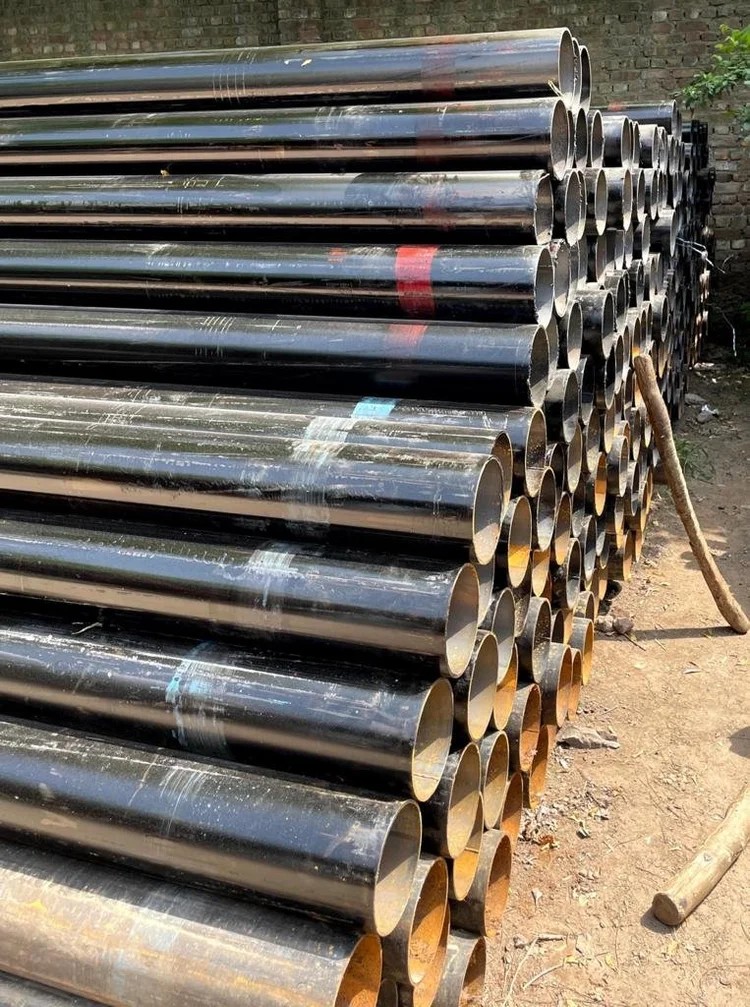
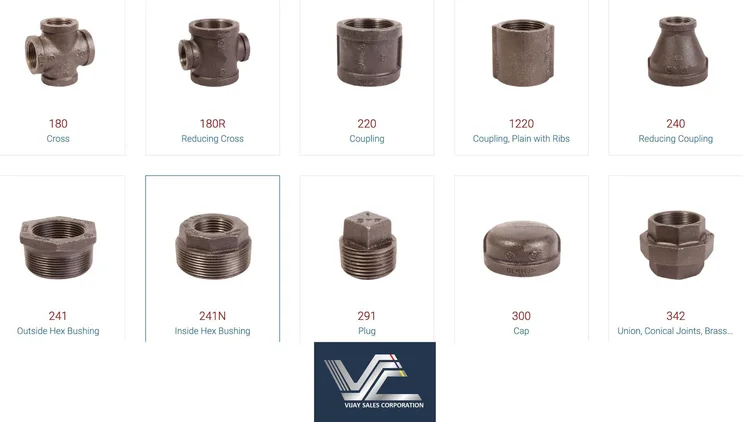
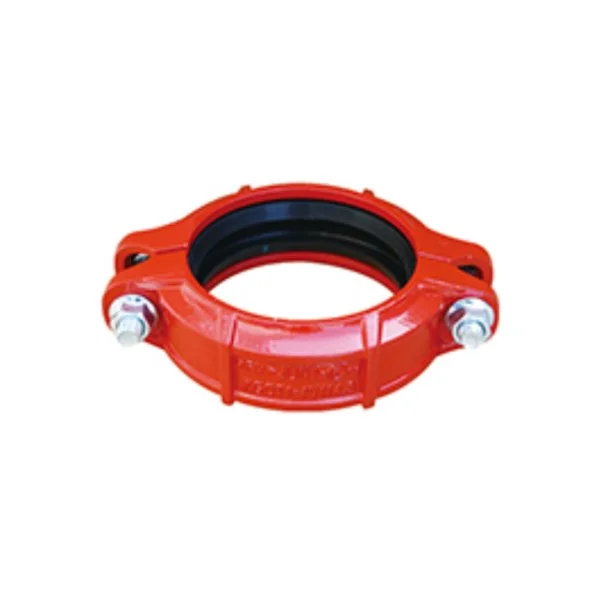
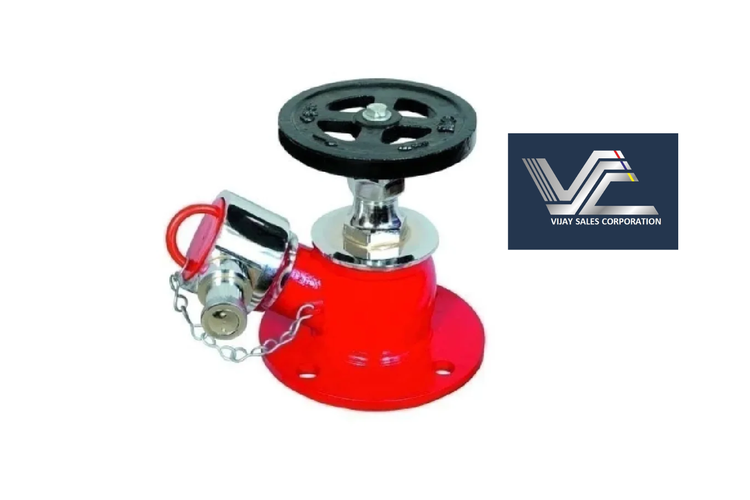
Pipe, valves, fittings, flanges, sprinkler heads, landing valves, hoses, reels and brigade connections. Every one of these has a published list price and a published discount, and we print both with the list date.
You can verify this yourself, to the rupee, before you sign anything.
Installation
Labour, supervision, scaffolding, cutting and threading, welding or grooving, lifting, pressure testing, flushing, painting and making good. Driven by site conditions — an occupied building costs more to work in than a bare shell.
Legitimate, real, and specific to your site. We have no basis to price it.
Overheads and margin
The contractor’s office, insurance, the cost of standing behind the work, working capital while your payment runs late, and profit. A contractor who charges nothing here will not be around when the system needs servicing.
Entirely legitimate. What matters is that it is margin, not a hidden material downgrade.
Notice what we have not done: put a percentage on any of those three. The split moves with the building, the city, the contractor and the year, and a number we cannot defend is worse to you than no number at all. What is fixed is that the first box is knowable and the other two are not — so start there.
How to read a fire fighting quotation, line by line
You do not need to know the trade to spot the problem. Every vague line below is vague in the same direction, and the fix is always the same: ask for the make, the class and the standard in writing.
Vague quotation lines and what to do about them
6 examples| The line as written | What is missing | What to ask for |
|---|---|---|
| “MS pipe 100NB” | No class, no standard, no make. | Ask for “MS Heavy (C Class) to IS:1239 Part-1” and the make, in writing. |
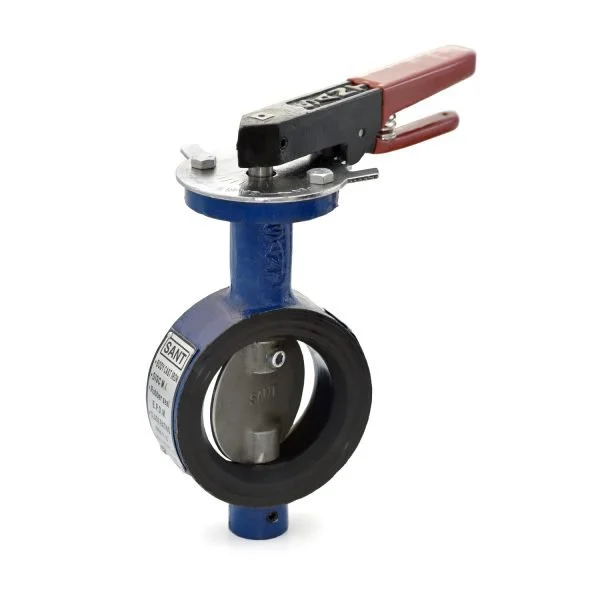
| “Butterfly valve 100mm” | No make, no pressure rating, no disc material. | Ask for the make, PN rating and disc material. The price range across those is wide. |
| “Fittings — lot” | A lump sum with no item list underneath it. | Ask for the fitting schedule. “Lot” is where padding lives. |
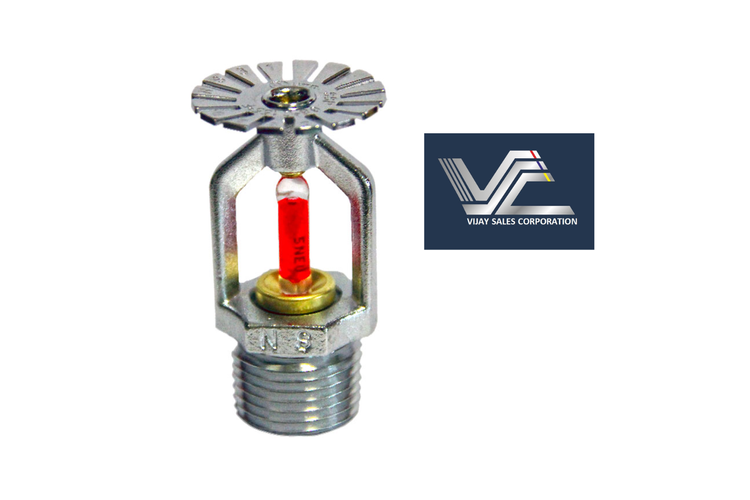
| “Sprinkler heads — 240 nos” | No pattern, no temperature rating, no make. | Pendent, upright or sidewall? Which make? Those are different items at different prices. |
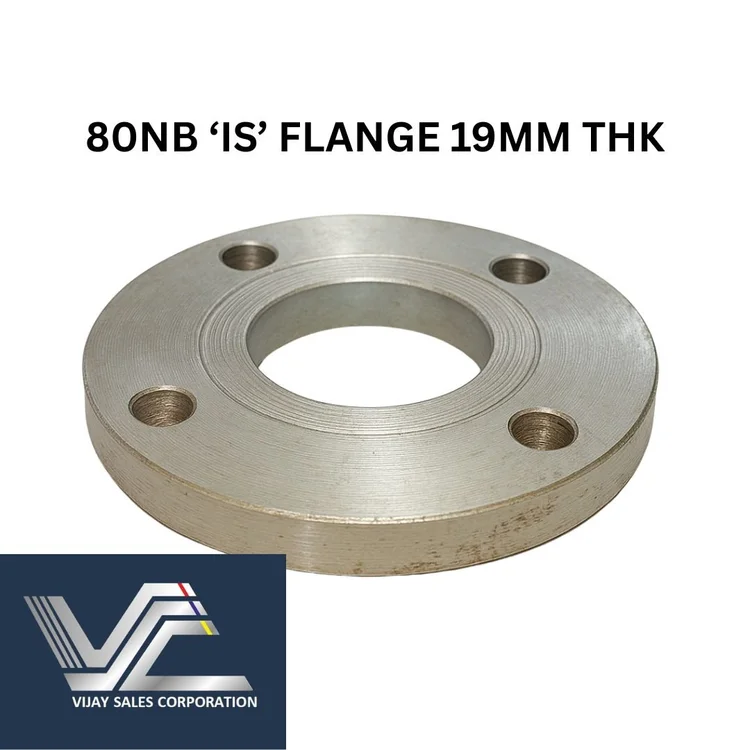
| “Flanges as required” | No table, no count. | Table ‘E’ or commercial? How many? Both count and drilling change the figure. |
| “Testing and commissioning” | Fine as a line — it is real work. | Reasonable. Just check it is not also buried inside the material rates. |
A contractor who names the make, class and standard on every line is not being pedantic — they are telling you they intend to supply what they quoted. Our quote builder prints those details onto every line of the quotation it generates, which makes it a useful thing to hold next to a contractor’s document.
The material a fire fighting quotation is made of
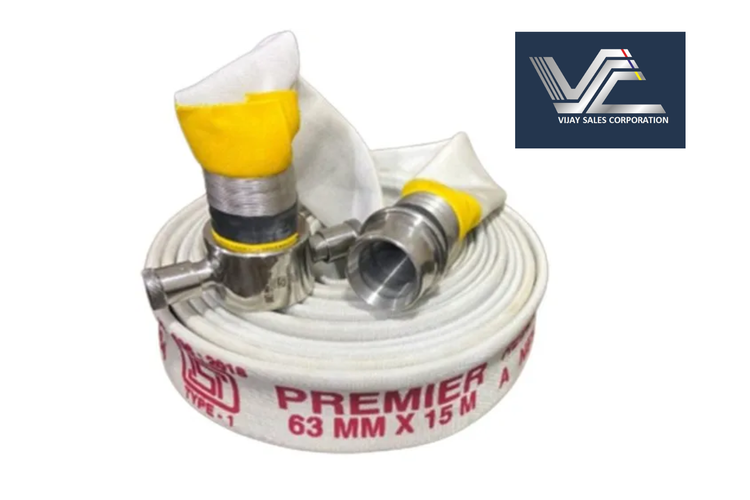
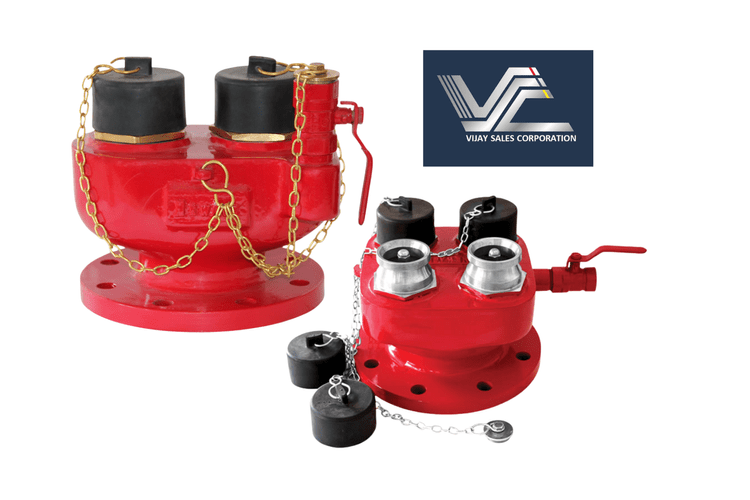
Every line below is something we hold in Delhi, with a make, a standard and a dated price list behind it. This is the part of any quotation you can check.
The ten-minute self-check — cost your own system first
This is the whole method. It is free, nobody has to call you, and at the end you hold a document you can put next to any quotation you receive.
- Get the approved drawing or the BOQAsk your consultant or contractor for the bill of quantities the quotation was built from. If nobody will give you one, that is itself the answer to whether the quotation is trustworthy. A BOQ is a list of items, sizes and quantities — no rates needed.
- Open the Fire Fighting Quote BuilderIt carries the current published rates for pipe, valves, forged and DI fittings, grooved fittings, butt welded fittings, flanges and NewAge fire equipment, each with the price list and effective date shown on its own section heading.
- Tick only the categories your system actually hasA small shop with a hose reel and a few heads does not have eight categories. A high-rise with a wet riser and a full sprinkler layout has all of them. The intro checklist on the tool names each one so you can tell which apply to you.
- Enter the sizes and quantities straight off the BOQMetres for pipe, pieces for everything else. Rates apply as you type and each section's discount is that supplier's own, so the numbers are not all off the same percentage.
- Download the quotation PDFYou get a serial-numbered document with every line, its net rate, GST calculated at the rate applicable to each item, and a grand total. Keep it.
- Compare it line by line against the contractor's quotationYou are not looking to match the total — the contractor is entitled to labour, overheads and margin on top. You are looking for lines that are missing, lines with no make or class named, and a material component wildly out of step with what the material actually costs.
Red flags in a padded quotation — and what is perfectly legitimate
Worth questioning
Material lines with no make, class or standard. “Lot” and “as required” against big-ticket items. A refusal to put the material makes in writing. Sprinkler heads quoted without a pattern or temperature. A total with no BOQ behind it at all. Pressure to sign before you have read it.
Perfectly legitimate
Labour and supervision as real, priced lines. Scaffolding and access. Testing, flushing and commissioning. Painting and making good. A margin the contractor is open about. Freight to site. A price that is higher than the material because it includes all of the above.
When a low fire sprinkler price should worry you
A quotation can be genuinely cheaper for perfectly good reasons: the contractor already holds the material, runs a lean office, or wants the job in a quiet month. It can also be cheaper because the pipe quietly dropped from Heavy to Medium class, the named valve became an unnamed one, the Table ‘E’ flanges became commercial flanges, or entire lines are simply missing from the scope.
From the outside these two look identical. They stop looking identical the moment you have priced the material yourself — because then you can see whether the saving is coming out of margin or out of your building. That is the entire argument for spending ten minutes on the quote builder before you reply to anyone.
One thing we will not help you do: squeeze a fire system down to the cheapest possible number. This is the equipment that has to work on the worst day your building ever has. The point of knowing the material cost is to stop you overpaying for the wrong specification — not to talk you into a thinner one.
Design, approvals and the parts of this that are not ours
Fire system design — how many heads, what size pipe, what pump — belongs to a qualified fire consultant working to the requirements that apply to your building. Fire approvals belong to your state fire service department, and the documents, fees and process genuinely vary from state to state.
We are not going to quote you fees or timelines for either. We have seen owners budget against numbers they read on a supplier’s website and get a serious surprise, and we are not going to be that website. What a fire NOC is and how the process runs →
What we will do is price the material precisely, tell you which standard each item is made to, and send the test certificates with it.
Know what the material is worth before you reply to anyone
Eight material categories, each at its supplier’s current published rate with the list date on screen, GST calculated correctly per line, and a serial-numbered quotation PDF at the end. Free, no call required, and it takes about ten minutes with a BOQ in front of you.
Fire fighting system cost — common questions
What does a fire fighting system cost?
There is no honest per-square-foot answer, and we will not invent one. A fire fighting system's cost is driven by the building — its height, floor plate, occupancy and the pressure available — and those decide how much pipe, how many heads, how many landing valves and what pump capacity you need. What is knowable, precisely and today, is what the material costs. That is roughly half the story, it is the half nobody shows you, and it is the half this website publishes.
What does a fire sprinkler system cost compared with a hydrant system?
Different cost shapes. A sprinkler system is head-count driven: more heads, more range pipe, more fittings, more flexible drops — the cost scales with floor area covered. A hydrant system is height and riser driven: the cost sits in large-bore pipe, landing valves and the pump set, and a taller building costs more per floor than a wide one. Most buildings that need one need both, and they share the same pipe, valves and fittings, so pricing them together is cheaper than pricing them separately.
Why do fire fighting quotations vary so much for the same building?
Four reasons, in rough order of how much money they move. First, material specification — Class B instead of Class C pipe, or an unnamed valve instead of a named make, changes the material cost substantially at identical scope. Second, what is included: one quotation covers the pump set and another assumes you buy it. Third, labour and site conditions. Fourth, margin, which is legitimate and varies. Only the first is hidden from you, and it is the one you can check yourself.
Is the material cost really about half of a fire fighting job?
It varies, and we are not going to pretend to a number we cannot defend. What we can say plainly is that material is a large, knowable share of the total, and it is the only share you can verify independently before signing anything. Labour, site conditions, scaffolding, testing and margin are real costs that a contractor is entitled to charge for and that we have no basis to quantify for your building.
Does a fire NOC have a cost I should budget for?
Fire approvals are handled by your state fire service department and the fees, documents and process vary by state. We are a material supplier and we are not going to quote you figures or timelines for a government process we do not administer — that is how people end up budgeting against wrong numbers. Your fire consultant deals with the authority and can tell you what applies where your building is.
Should a very low fire fighting quotation worry me?
It should make you check the specification rather than celebrate. A quotation can be genuinely cheaper for good reasons — a contractor with the material already in stock, a lean overhead, a quiet month. It can also be cheaper because the pipe dropped a class, the valve lost its make, the flanges went from Table 'E' to commercial, or whole lines simply are not there. Price your own material list first and the difference between the two explanations becomes obvious in about ten minutes.
Read next
Vijay Sales Corporation — India’s Piping Experts since 1961 · 803 International Trade Tower, Nehru Place, New Delhi 110019 · sales@vijaysalescorp.com · +91 9999889008