

Fire fighting · the pipe decision
Fire Fighting Pipes — Which Pipe, Which Class, and What It Costs
The pipe is the single biggest material line on a fire job, and it is the line most often quoted vaguely. This page tells you which pipe fire work actually uses, what the class means and why it matters, which sizes go where, and how to get a real number instead of a guess.
- Heavy (C Class), IS:1239
- Size guide by duty
- Dealer certificate on file
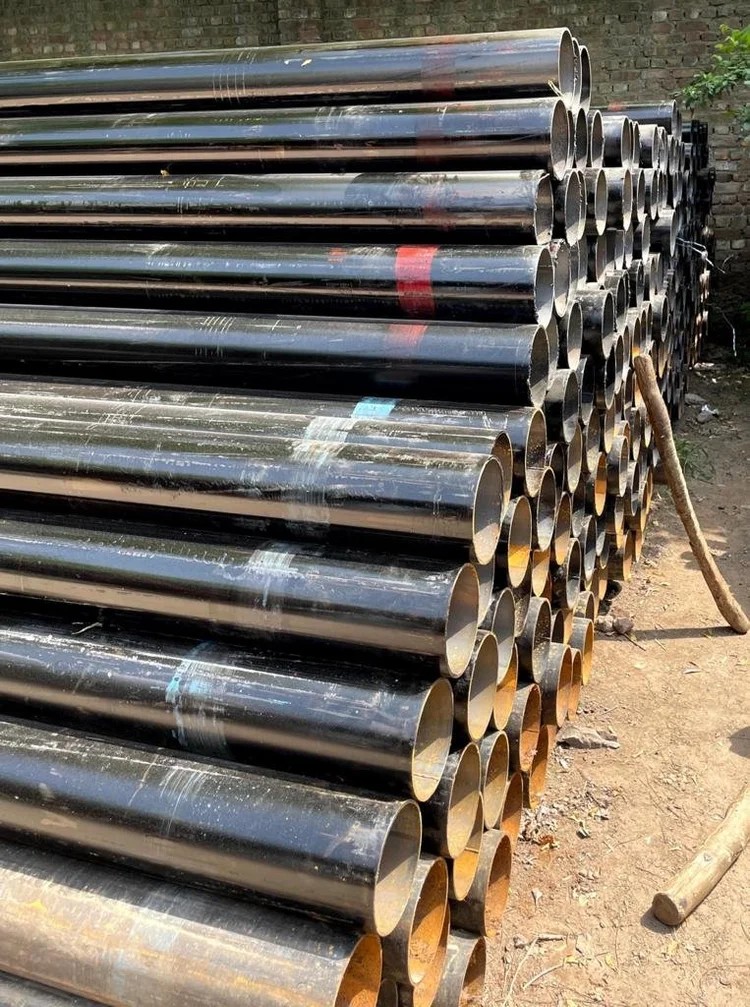
Why fire mains are built in MS Heavy (C Class) to IS:1239
A fire main is not like a plumbing line. It sits permanently full of water under pressure, held there by a jockey pump, for the entire life of the building — and it has to survive a pressure test before the fire officer will sign anything off. That duty is what drives the material choice.
Steel pipe to IS:1239 Part-1 is made in three wall thicknesses at each bore: Light (Class A), Medium (Class B) and Heavy (Class C). The outside diameter is the same in all three — what changes is how much metal there is between the water and the air. For a line that will be pressurised and forgotten about for twenty years, Heavy is the class that gives you margin: for corrosion allowance, for the pressure test, and for the threading or grooving that removes metal at every joint.
Above 150NB the pipe standard changes to IS:3589, where pipe is specified by wall thickness in millimetres rather than by class. Large ring mains and underground work land there. More on the A, B and C classes →
B class or C class — the decision table
All three classes are made to the same standard and look identical from the outside. This is what separates them in fire work.
IS:1239 Part-1 classes in fire fighting
3 classes| Class | Wall | Where it appears in fire work | In short |
|---|---|---|---|
| Light (A Class) | Thinnest wall | Not used on fire lines. | Low-pressure and light duty only. |
| Medium (B Class) | Mid wall | Sprinkler branch and range work on some drawings. | The general-purpose class for water and gas lines. |
| Heavy (C Class) | Thickest wall | Hydrant mains, wet risers, pump headers — anything permanently pressurised. | What we supply by default for fire fighting. When a drawing is silent on a pressure line, step up a class rather than down. |
Checking a quotation? A pipe line that says only “MS pipe 100NB” is incomplete. It needs the class and the standard — “MS Heavy (C Class) to IS:1239 Part-1” — because the price difference between Medium and Heavy at the same bore is real, and so is the difference in what you are getting. How to read a fire quotation line by line →
Fire fighting pipe size — which NB goes where
Pipe size is a flow calculation, and your fire consultant does it against the building — its height, its floor plate, its occupancy and the pressure available. There is no universal answer, and a supplier who gives you one without seeing the drawing is guessing.
What we can tell you honestly is the range we most often ship for each duty. Use this to sanity-check a quotation or to estimate a budget — never to design a system.
Fire fighting pipe sizes by duty
7 duties| Duty on the system | Sizes we most commonly supply | Why |
|---|---|---|
| Pump header and ring main | 100NB – 150NB | The largest pipe on the job. Feeds everything else. |
| Wet riser | 100NB – 150NB | Runs the height of the building; sized on how many floors it feeds. |
| Landing valve branch | 80NB – 100NB | The short branch off the riser to each floor's landing valve. |
| Sprinkler main | 80NB – 150NB | From the pump or riser to the sprinkler zone control. |
| Sprinkler sub-main | 50NB – 80NB | Distributes across a floor plate to the range pipes. |
| Sprinkler range pipe | 25NB – 40NB | The runs the heads sit on. Steps down as heads come off it. |
| Hose reel line | 25NB – 40NB | Feeds the first-aid reel drum; small bore, low flow. |
This table is supply experience, not a design code. It describes what leaves our warehouse for each kind of duty. It does not tell you what your building needs. Sizing, pressure and layout belong to your fire consultant and the approved drawing — see how the approval process works.
Galvanised or black for a fire line?
MS black — the default
Uncoated mild steel. Cheaper per metre, takes the red paint fire services identify fire lines by, and welds and grooves cleanly without burning off a coating. This is what most hydrant mains and risers are built from.
Stocked to IS:1239 Part-1 in all three classes, and to IS:3589 above 150NB.
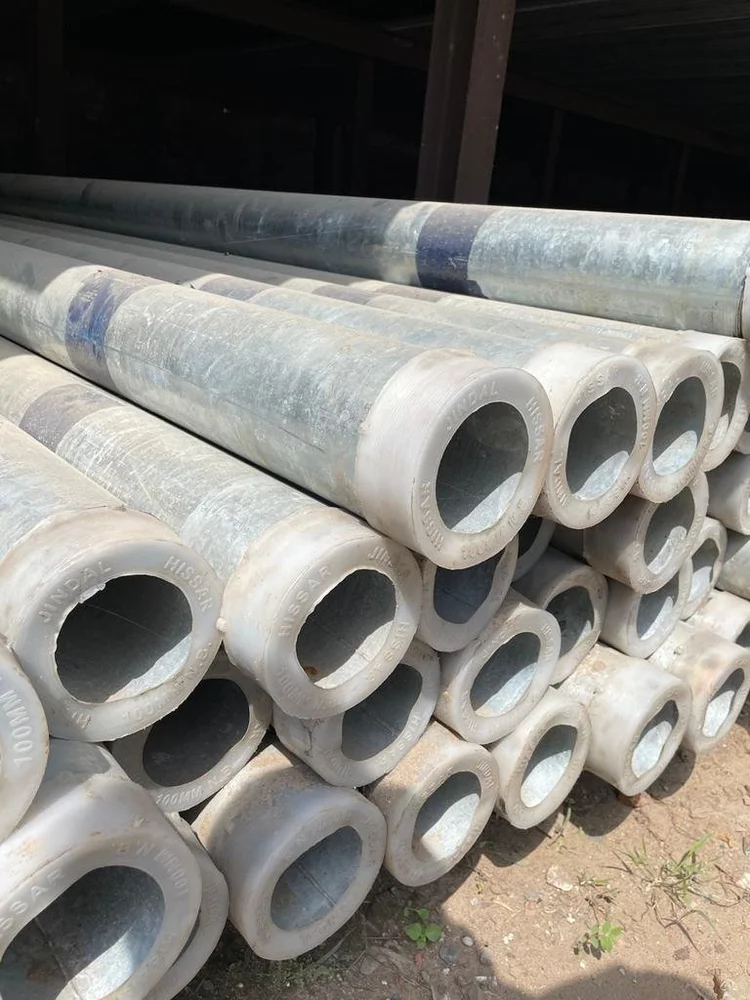
GI galvanised — where corrosion matters
Zinc-coated for corrosion resistance. Chosen where the line is exposed to weather, buried, or carrying water that sits still for long periods. Made to the same IS:1239 Part-1 standard and the same three classes.
The coating decision is separate from the class decision — you still pick a class.
The makes we stock, and the proof
Jindal Hissar (Jindal Industries Pvt. Ltd.) and Jindal Star (Jindal Pipes Ltd.) are the two makes we hold in depth for fire work, in GI and MS black, to IS:1239 Part-1 and IS:3589. Vijay Sales Corporation is an authorised dealer and distributor of Jindal Hissar pipes and Delhi’s largest dealer of the brand — the signed certificate is linked in the strip at the top of this page, and the mill QAP and sample test certificates are published on the price list page.
That matters more than it sounds. Fire material gets inspected, and where the pipe came from is a question a fire officer can reasonably ask. Test certificates accompany every order we dispatch.
How the pipe gets joined
Most fire jobs use all of these on the same system. Which one goes where is driven by size, by what the specification calls for, by whether hot work is allowed on that floor, and by whether the joint will ever need to come apart.
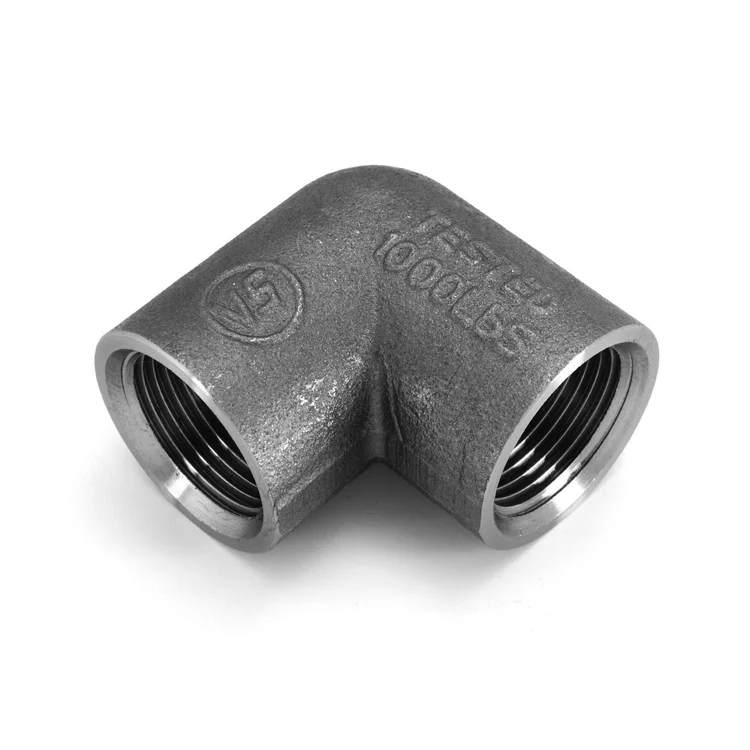
Forged threaded — the everyday joint
The most used fitting on a fire job. VS forged steel threaded fittings to IS:1239 Part-II in 1000 LBS class — elbows, tees, sockets, nipples, unions, bushes, plugs — for every small-bore threaded joint below 2 inches: sprinkler range pipe, drops, hydrant branch make-up, gauge, drain and test points. Stocked in depth in Delhi. VS forged fittings price list →
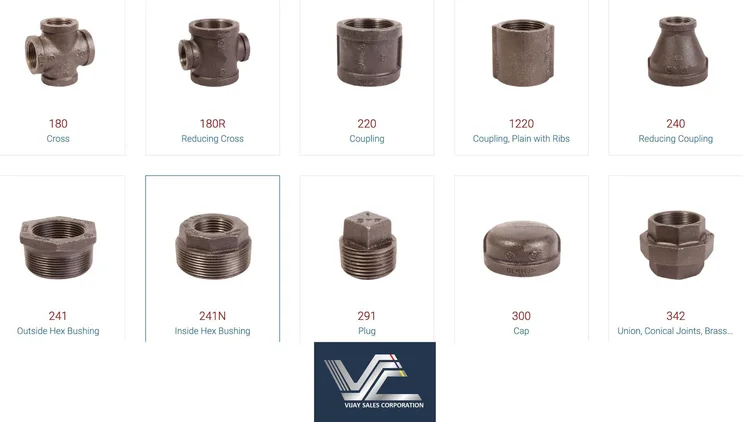
DI threaded — where the specification asks for UL/FM
Same threaded joint, ductile iron body. Specified where the fire consultant or the client calls for UL/FM Approved fittings on the sprinkler side. The Sant DI threaded range carries that approval. Sant DI price list →
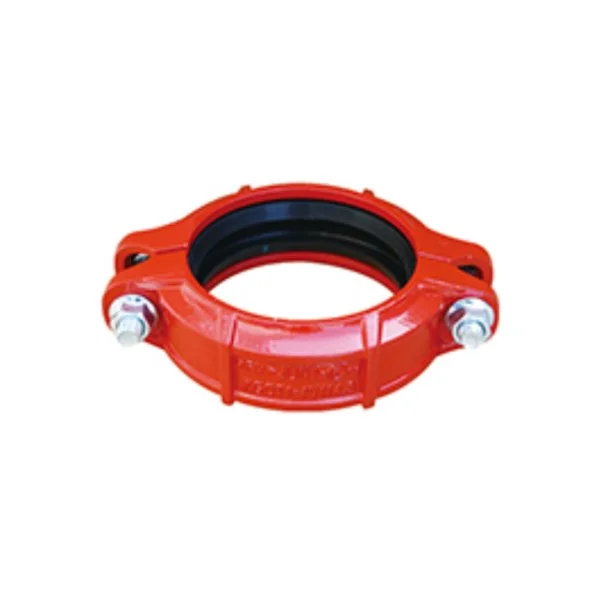
Grooved
From 2 inches up. Bolts together cold, so no hot-work permit and no welder on a live floor, and the joint comes apart again for servicing. The Sant grooved range is UL Listed and FM Approved. Grooved for fire fighting →
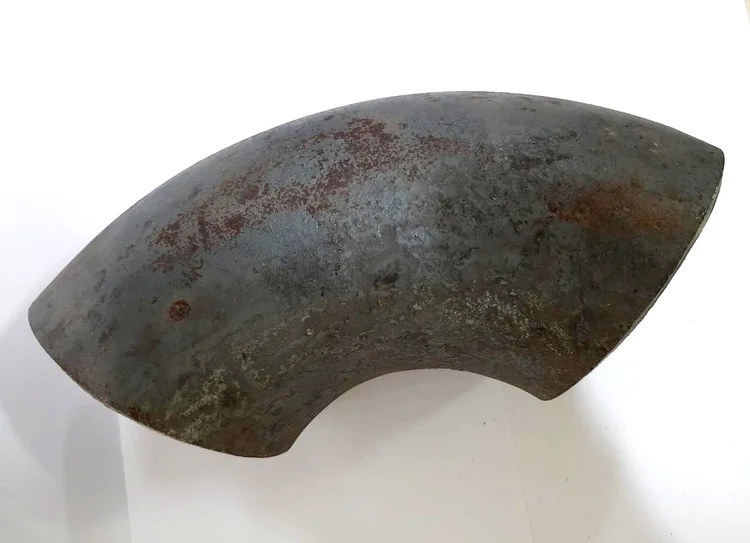
Butt welded
Where you want a permanent, full-bore direction change on a large welded main. MS ERW heavy elbows and bends, 15NB to 150NB. Butt welded price list →
Get a real number for your pipe
No rates are printed on this page on purpose — lists revise, and a stale figure is worse than none. The quote builder holds the current Jindal Hissar list with its effective date on screen, works out your pipe count at 6 metres a length, adds GST and gives you a quotation PDF. It also prices the valves, fittings, flanges and fire equipment the same system needs.
Fire fighting pipes — common questions
Which pipe is used for fire fighting?
Mild steel (MS) black pipe to IS:1239 Part-1 in Heavy class — Class C — is what fire hydrant mains, wet risers and pump headers are normally built from in India. Above 150NB the line moves to IS:3589 pipe, sized by wall thickness rather than class. We stock Jindal Hissar and Jindal Star for both, and we are an authorised dealer and distributor for Jindal Hissar with the certificate on file.
What is the difference between B class and C class pipe for fire fighting?
The class sets wall thickness at a fixed outside diameter, so a 100NB Class B and a 100NB Class C pipe are the same on the outside and different on the inside. Class C (Heavy) has the thickest wall and the most margin on a line that sits pressurised for the life of the building, which is why hydrant mains and risers are specified in it. Class B (Medium) appears on some sprinkler branch and range work. The decision belongs on your approved drawing — but where a drawing is silent on a pressure line, stepping up a class is the safer error.
What size pipe is used for a fire fighting system?
It depends entirely on flow, and your fire consultant sizes it on the building — there is no single correct answer, and anyone who gives you one without seeing the drawing is guessing. What we can tell you is the range we most commonly supply for each duty: 100NB to 150NB for ring mains and risers, 80NB to 100NB for landing valve branches, 50NB to 80NB for sprinkler sub-mains, and 25NB to 40NB for range pipes and hose reel lines. Use it to sanity-check a quotation, not to design a system.
Should fire fighting pipe be galvanised or black?
MS black is the normal choice for a fire main: it is cheaper, it takes the red paint fire work is identified by, and it welds and grooves cleanly. GI (galvanised) pipe carries a zinc coating for corrosion resistance and is chosen where the line is exposed, buried, or carrying water that will sit still for long periods. Both are made to the same IS:1239 Part-1 standard and in the same three classes, so the class decision is separate from the coating decision.
How are fire fighting pipes joined?
Threaded joints for small bore — sprinkler range pipe and drops, hydrant branch make-up, gauge and drain points, generally below 2 inches — using VS forged steel fittings (1000 LBS, the everyday choice) or Sant DI threaded fittings where UL/FM approval is specified. Grooved couplings from 2 inches up, which bolt together cold with no hot-work permit and can be taken apart again for servicing. Butt welded fittings where you want a permanent, full-bore turn on a large welded main. We stock the fittings for all three.
Where can I see fire fighting pipe rates?
Rates are not printed on this page, because they change with every list revision and a stale number is worse than none. Current Jindal Hissar rates are on the Jindal Hissar price list page with its effective date shown, and the Fire Fighting Quote Builder applies those same rates to your own quantities and gives you a quotation PDF with GST calculated.
The rest of the fire fighting cluster
Vijay Sales Corporation — India’s Piping Experts since 1961 · 803 International Trade Tower, Nehru Place, New Delhi 110019 · sales@vijaysalescorp.com · +91 9999889008