

Fire fighting · the automatic system
Fire Sprinkler System — Heads, Pipes and Fittings
A sprinkler system is the part of your fire protection that works without anybody being there. This page explains how it works, what the three head patterns are and where each belongs, what the system is piped in, and what the fire officer will look at. No rates on the page — when you want numbers, they are one click away and dated.
- Pendent, upright, sidewall
- 68°C standard response stocked
- Material estimator
How a fire sprinkler system works
The thing most people get wrong about sprinklers is thinking they all go off at once. They do not, and the reason is worth understanding: every sprinkler head is its own independent heat-operated valve.
Inside each head is a small glass bulb filled with a liquid that expands as it warms. The bulb physically holds the head closed. When hot gases from a fire reach that head, the liquid expands until the bulb shatters, the head opens, and water discharges over the fire through a deflector that spreads it into a pattern. Heads in the next room stay shut because nothing has heated them.
On a wet pipe system — the normal arrangement — the pipework above the heads is already full of water under pressure, so discharge is immediate. The flow trips a switch that raises the alarm, which is often how a building learns it has a fire at all.
A sprinkler system is automatic, which is exactly what separates it from a fire hydrant system, where a person has to open a valve and direct a hose. Most buildings that need one need both, and they share the same pipe, valves, fittings and flanges.
Fire sprinkler head types
Three patterns cover almost all normal work. They differ by which way the water is thrown, and the choice follows the pipe route rather than preference. We stock all three in 68°C standard response, which is the everyday rating for normal occupancies.
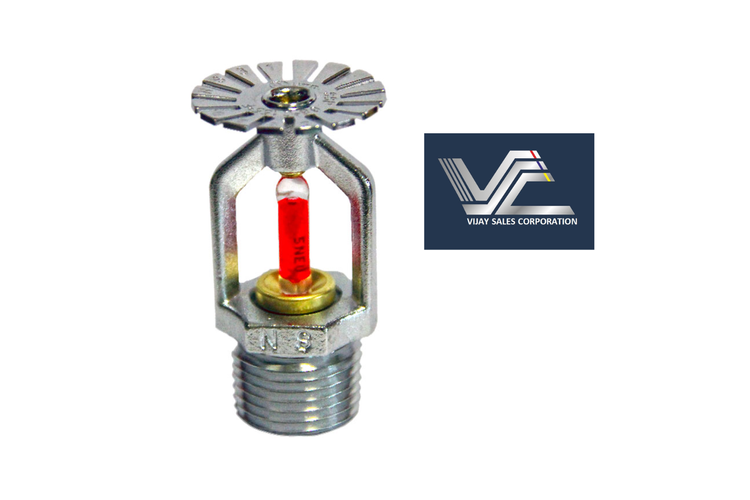
Pendent sprinkler
Hangs down from the pipe, normally dropping through a false ceiling so only the head and its rosette are visible.
Water is thrown downward onto a deflector that spreads it out and down. This is the default head anywhere there is a finished ceiling — offices, hotels, shops, restaurants, corridors. It is usually fed by a flexible drop hose from the range pipe above, which is what lets the installer position it exactly on the ceiling grid.
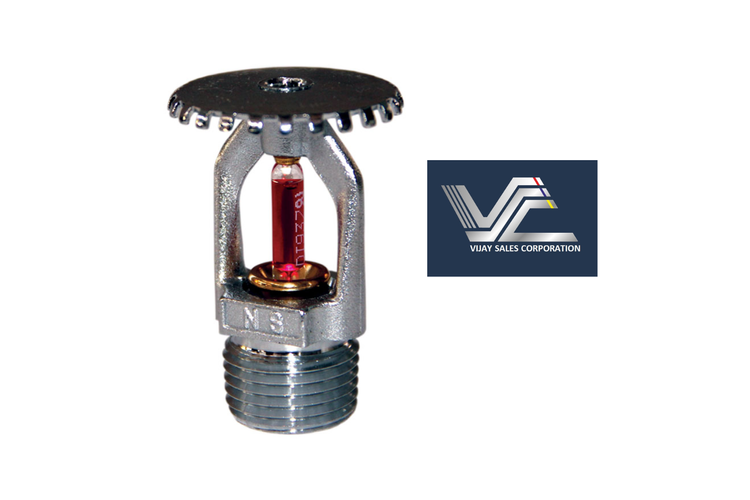
Upright sprinkler
Sits on top of the pipe, pointing up, with the deflector above the orifice.
Water is thrown upward into the deflector and spread out from there, which clears the pipe itself so the pipework does not shadow the spray. Used where pipework is exposed and there is no ceiling to hide it — car parks, warehouses, plant rooms, under soffits and in service areas.
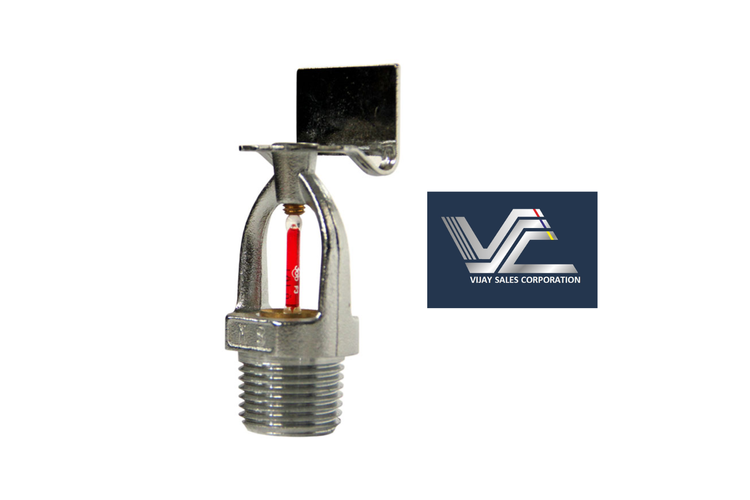
Sidewall sprinkler
Projects horizontally from a wall rather than from the ceiling.
Throws water out and across the room in a half-circle pattern instead of a full circle. The answer where running a pipe across the ceiling is impractical or unwanted — narrow corridors, small rooms, hotel bedrooms, and places where a ceiling cannot be penetrated.
On certifications, plainly: we describe the heads we stock exactly as our supplier’s list describes them, and we do not attach a UL or FM claim to a sprinkler head anywhere on this site. Where we do claim those approvals we mean them — the Sant DI threaded and Sant DI grooved fitting ranges are UL/FM Approved, and the NewAge unbraided flexible drop hoses are UL Listed. If your specification calls for a listed head, tell us before you order and we will confirm what can be supplied against it.
Types of fire sprinkler system
Which one your building gets is a design decision taken by your fire consultant against what is inside the building and what could go wrong in it. Named here at overview level so you can follow a conversation about them — the pipe, fittings and flanges are largely common across all four.
Sprinkler system types
4 types| System | How it works | Where it is used |
|---|---|---|
| Wet pipe | Pipework permanently full of water under pressure. A head opens, water flows immediately. | By far the most common in Indian buildings, and what most sprinkler material is bought for. |
| Dry pipe | Pipework held under air pressure; water enters only after a head opens. | Used where the pipework would otherwise freeze. Rare in most of India. |
| Pre-action | Water is held back by a valve that needs a separate detection signal before the pipe fills. | Chosen where an accidental discharge would be very costly — server rooms, archives. |
| Deluge | Open heads, no heat element; the whole zone discharges when the system operates. | Special-hazard use. Designed case by case. |
In practice, most Indian commercial and residential buildings are on wet pipe, and that is what the great majority of sprinkler material is bought for.
Branch piping and drops — how the water reaches the head
Water leaves the pump or the riser through a main, feeds across the floor plate through a sub-main, and reaches the heads on range pipes. Pipe steps down in size as it goes, because each head that comes off it takes flow away.
The last short length from the range pipe to the head itself is the drop. It used to be made up from threaded fittings and a short nipple, which meant the head position was fixed by where the pipework happened to land. Flexible drop hoses replaced that: a braided or unbraided stainless steel hose with a bracket, letting the installer put the head exactly on the ceiling grid line without moving the pipe above.
Pipe for all of it is MS to IS:1239 Part-1; class follows your approved drawing. Which pipe and which class →
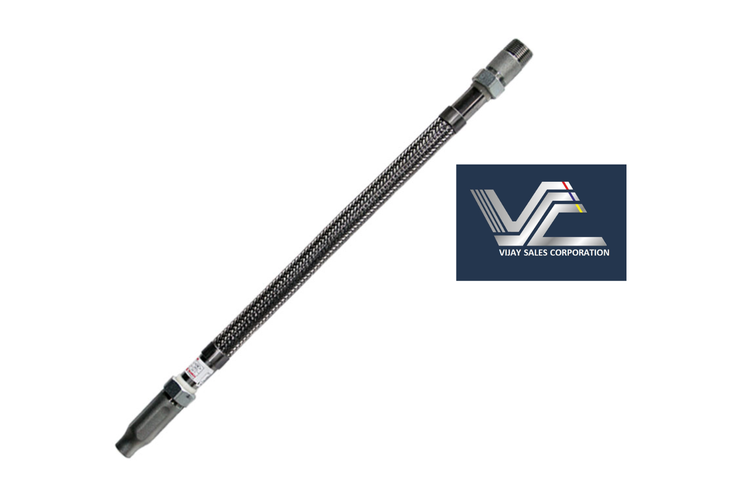
Flexible drop hoses
Stainless steel, 1 inch BSPT inlet, in 700, 1000, 1200, 1500 and 1800 mm lengths. The unbraided range we stock is UL Listed.
They save a great deal of site time on a ceiling grid and let the head sit where the architect wants it rather than where the pipe fell. See the range →
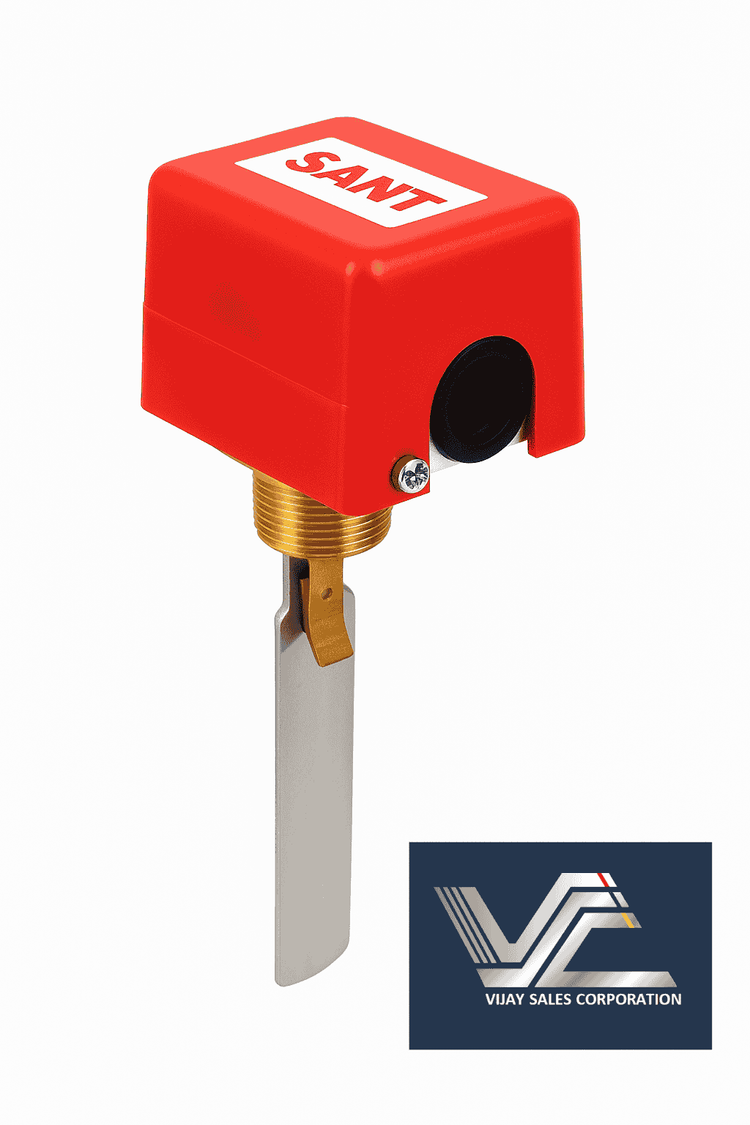
Zone control and flow switch
Each zone gets an isolating valve so a floor can be worked on without draining the building, and a flow switch that detects water moving and raises the alarm.
Butterfly valves, non-return valves and strainers come from the Sant range. Sant valves price list →
Grooved or threaded for sprinkler mains?
Both, on most jobs, and the dividing line is size. Below 2 inches — range pipe, drops, gauge and drain points — threaded is the economical choice, and the Sant ductile iron threaded range is UL/FM Approved.
From 2 inches up, grooved usually wins on installed cost. The coupling bolts together cold, so there is no hot-work permit, no welder on an occupied floor and no repainting; the joint takes a small amount of angular movement, which is why it is specified on seismic and expansion runs; and it can be broken later for servicing rather than cut out. The Sant grooved range is UL Listed and FM Approved.
What the fire officer inspects on a sprinkler system
A sprinkler inspection is mostly a walk with a drawing. The officer is checking that what is on the ceiling matches what was approved, and that nothing has been built, stacked or hung in a way that would stop a head working.
- Head pattern and spacing matching the approved drawing
- Clearance below each head — nothing stacked or built into the spray path
- Correct head pattern for the position (pendent, upright or sidewall)
- Zone control valves accessible, labelled and in the right state
- The flow switch present and wired
- Spare heads and the sprinkler spanner available on site
- Pipe class, identification and supports
- Material test certificates matching the makes installed
The commonest avoidable failure has nothing to do with the material: it is storage stacked too close under the heads, or a later false ceiling installed below them. More on what happens at inspection →
Sprinkler material estimator — heads, drops and pipe for a budget
Enter the floor area and the kind of space, and this works out roughly how many heads a floor takes at the maximum coverage per head permitted for that hazard class, and what that means in flexible drops, range pipe and zone valves. It is a budget estimate for pricing material, not a design — your consultant’s drawing decides the real count.
Coverage per head follows the maximum area per sprinkler for each hazard class in IS 15105. The pipe estimate assumes square spacing at that coverage.
| Item | Estimate | What we stock |
|---|---|---|
| Sprinkler heads | — | NewAge 68°C standard response |
| Flexible drop hoses | — | NewAge SS unbraided, UL Listed, 1″ BSPT — 700 to 1800 mm |
| Range pipe 25NB–40NB | — | Jindal Hissar MS to IS:1239 Part-1, class per drawing |
| Sub-main 50NB–80NB | — | Jindal Hissar MS Heavy (C Class) |
| DI threaded tees and elbows | — | Sant DI threaded, UL/FM Approved |
| Zone control sets | — | Sant butterfly valve + flow switch + test & drain, one per floor |
What this is not. It is not a hydraulic design, it does not know your ceiling height, storage or obstructions, and it will not replace your consultant’s drawing. It exists so you can walk into a quotation conversation knowing roughly what the material for your floor plate looks like — and price it at published rates before anyone quotes you.
Fire sprinkler price — where to get real numbers
We do not print rates on guide pages. Price lists revise, and a stale number that has been sitting on a web page for a year is worse to you than no number at all. There are two honest routes to a current figure:
- The NewAge price list carries the heads, the flexible drops, the landing valves, hoses and brigade connections, each at a net rate with the effective date printed at the top of the page. NewAge price list →
- The Fire Fighting Quote Builder prices the whole sprinkler scope together — pipe, DI threaded and grooved fittings, flanges, valves and the heads themselves — applying each supplier’s current discount and the correct GST per line, and hands you a serial-numbered quotation PDF. Open the quote builder →
If you are comparing a contractor’s sprinkler quotation against what the material is worth, the ten-minute self-check is the method to use.
Price your sprinkler scope, heads and all
Pipe, DI threaded and grooved fittings, flanges, zone valves, flexible drops and pendent, upright or sidewall heads — priced together at current published rates with GST applied correctly per line, and a quotation PDF at the end.
Fire sprinkler systems — common questions
How does a fire sprinkler system work?
Each sprinkler head is an individual heat-operated valve. A glass bulb filled with liquid holds the head shut; heat from a fire expands the liquid until the bulb shatters and that one head opens. Water in the pipe above it — already there, already pressurised on a wet pipe system — discharges over the fire and the flow trips a switch that raises the alarm. Only the heads that get hot open, which is why a sprinkler system does far less water damage than people expect.
What are the types of fire sprinkler head?
Three patterns cover almost all normal work, and they differ by which way the water is thrown. A pendent head hangs down from the pipe below a ceiling and spreads water downward and outward. An upright head sits on top of the pipe and throws water up into a deflector that spreads it, which suits exposed pipework and spaces with no ceiling. A sidewall head projects from a wall and throws water out across the room, used where running pipe across the ceiling is impractical. We stock all three in 68 degree standard response.
Pendent or upright — which sprinkler head do I need?
It is decided by where the pipe runs, not by preference. If the pipe is above a false ceiling and the head drops through it, you want a pendent. If the pipe is exposed under a soffit, in a car park or a warehouse with no ceiling, you want an upright, because it throws water up into its deflector and clears the pipe itself. Sidewall is the answer when neither works — a corridor or a small room where you can only come off a wall. Your approved drawing will specify which goes where.
What are the types of fire sprinkler system?
Wet pipe is the standard and the one most Indian buildings have: the pipework is permanently full of pressurised water. Dry pipe holds air instead of water and is used where freezing is a risk. Pre-action needs a separate detection signal before water enters the pipe, which suits places where an accidental discharge would be very expensive. Deluge uses open heads and floods a whole zone, for special hazards. Which one a building gets is a design decision for your fire consultant — but the pipe, fittings and flanges are largely common across them.
Are the sprinkler heads you supply UL Listed?
We stock NewAge pendent, upright and sidewall heads in 68 degree standard response, and we describe them exactly as our supplier's list describes them — we do not attach a UL or FM claim to a sprinkler head on this site. Where we do claim those approvals we mean them: the Sant DI threaded and Sant DI grooved fitting ranges are UL/FM Approved, and the NewAge unbraided flexible drop hoses are UL Listed. If your specification requires a listed head, tell us before you order and we will confirm what can be supplied against it rather than guess.
What does a fire sprinkler system cost?
No rates are printed on this page, deliberately — lists revise and a stale figure is worse than none. The heads, flexible drops and other NewAge items are on the NewAge price list with its effective date shown, and the Fire Fighting Quote Builder prices the whole sprinkler scope together: pipe, fittings, flanges, valves and heads, with GST applied at the correct rate per line and a quotation PDF at the end.
The rest of the fire fighting cluster
Vijay Sales Corporation — India’s Piping Experts since 1961 · 803 International Trade Tower, Nehru Place, New Delhi 110019 · sales@vijaysalescorp.com · +91 9999889008