

Fire fighting · the complete material guide
Fire Hydrant System — Parts, Materials and How It Works
If someone has told you your building needs a fire hydrant system and you are not sure what that actually is, start here. This page follows the water from the tank to the nozzle, names every part along the way, and tells you which make and standard each one is. No jargon you have to look up, and no rates on the page — when you want numbers, the quote builder gives you real ones.
- Every part named
- Labelled system diagram
- Priced in one click
What is a fire hydrant system?
A fire hydrant system is a network of steel pipe, kept permanently full of water under pressure, that puts a usable jet of water within reach of every part of a building. Strip away the terminology and it is four things: a dedicated water store, a set of pumps, a pipe that runs the height of the building, and an outlet with a hose on every floor.
Two features make it a fire system rather than plumbing. The first is that the water is reserved — the tank feeding it cannot be drawn down for washing cars or flushing toilets. The second is the inlet on the outside wall: when the fire brigade arrives, it couples its tender to that inlet and pumps into your pipework from the street, so the system keeps working after your own pumps or power have failed.
It is a manual system. Someone opens a valve and directs a hose. That is the difference between a hydrant system and a sprinkler system, which detects heat and operates on its own. Most buildings that need one need both, and they share the same pipe, valves and fittings.
How it works — follow the water
Every fire hydrant system in every building is the same handful of components in the same order. Once you can read this diagram, you can read any fire drawing put in front of you.
- 1Static water tank — The dedicated fire reserve. It is not the domestic tank and it is not allowed to run dry.
- 2Pump room — Main pump, standby and a small jockey pump that holds pressure in the line so the system is always charged.
- 3Y strainer — Catches grit before it reaches a valve seat. The cheapest part in the room and the one that saves the expensive ones.
- 4Non-return valve — Lets water out of the pump and never back into it. On a fire header this is usually a dual plate wafer NRV.
- 5Butterfly valve — The isolating valve. One per zone, so a floor can be worked on without draining the building.
- 6Wet riser — The vertical main, kept permanently full of water under pressure. This is the pipe the whole system is named after.
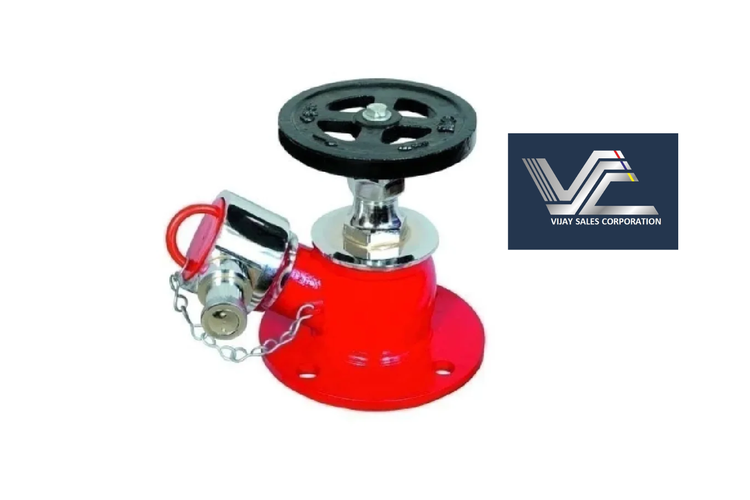
- 7Landing valve — The outlet on each floor. A 63 mm instantaneous coupling the fire brigade and the trained occupant both know how to connect to.
- 8Hose box — Holds the RRL delivery hose and the branch pipe that makes the jet. Glass-fronted and sealed so the hose is actually there when needed.
- 9Hose reel drum — The first-aid line. A small-bore rubber hose on a swinging drum that an untrained occupant can use one-handed.
- 10Fire brigade breeching inlet — Outside at ground level. The brigade couples its tender here and pumps into your riser from the street.
Fire hydrant system parts — the name of every component
This is the list a contractor will quote against, in the words they will use. The right-hand column is what we hold in Delhi — so you can check a quotation against a real, named, dated source rather than a generic description.
Fire hydrant system parts list
11 components| Part | What it does | What we stock |
|---|---|---|
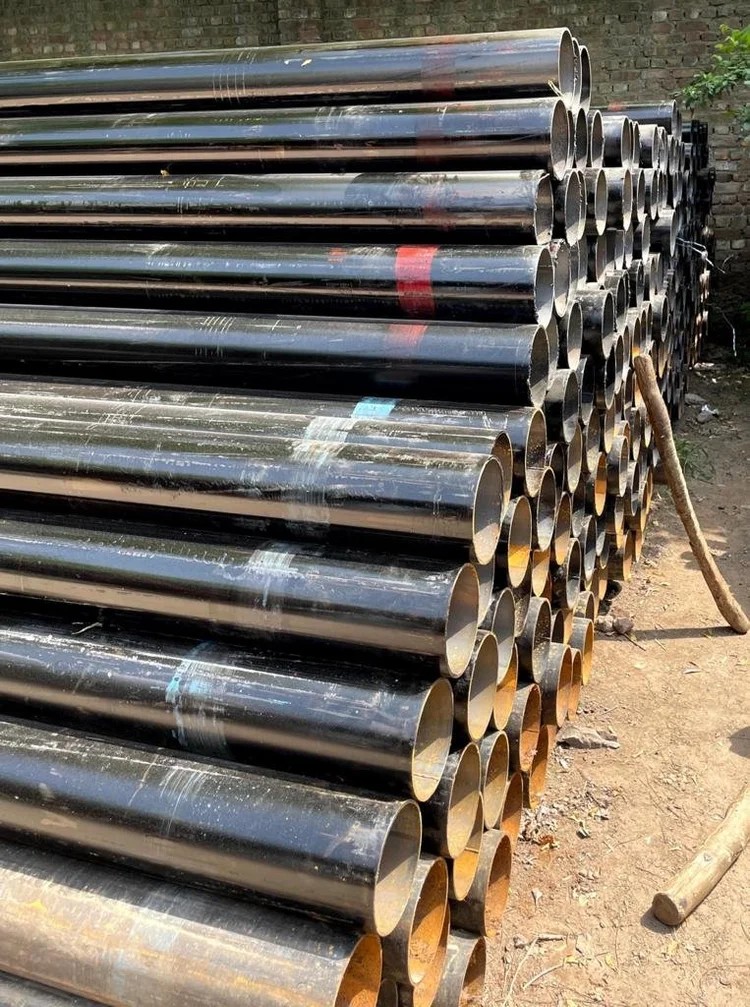
| Pipe | Carries the water. The wet riser and the ground ring main. | Jindal Hissar MS Heavy (C Class) to IS:1239 Part-1 |
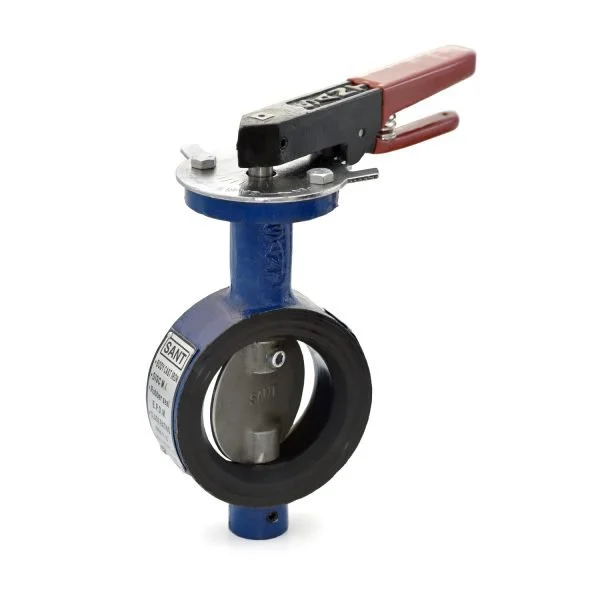
| Butterfly valve | Isolates a floor or a zone without draining the building. | Sant CI wafer, PN1.6 / PN16 |
| Non-return valve | Stops water running back into the pump. | Sant CI dual plate wafer NRV, PN1.6 |
| Y strainer | Traps grit ahead of the valves and the pump. | Sant CI flanged, epoxy coated, SS screen |
| Landing valve | The 63 mm outlet on every floor. | NewAge SS single and double outlet |
| Branch pipe | Couples to the hose and forms the jet. | NewAge SS short branch pipe to IS 903 |
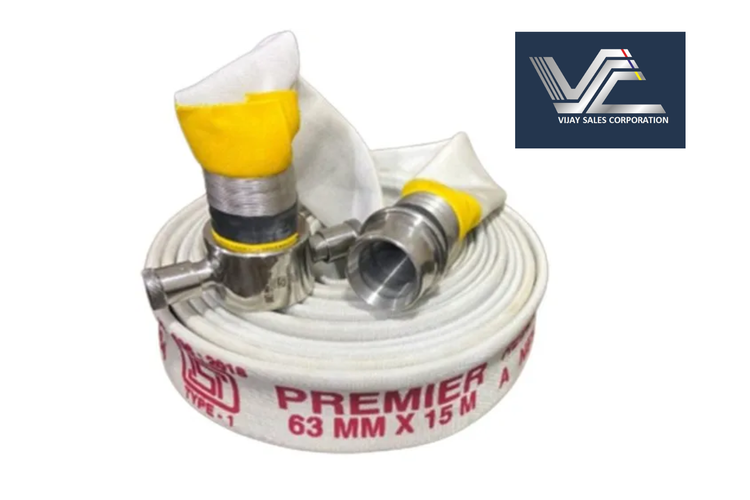
| RRL hose | The delivery hose from the landing valve. | Premier-NewAge, IS 636:2018, 15 m with SS couplings |
| Hose reel drum | First-aid hose an untrained occupant can use. | NewAge swing type, 30 m, with drum |
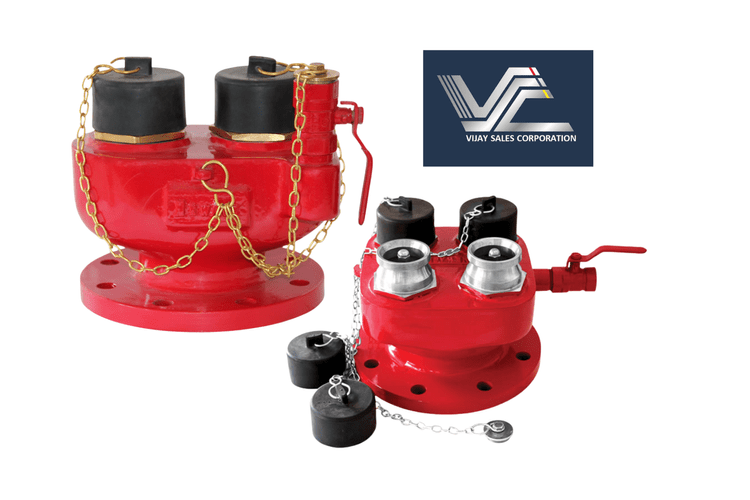
| Breeching inlet | Where the fire brigade pumps into your riser. | NewAge 2-way, 3-way and 4-way with NRV |
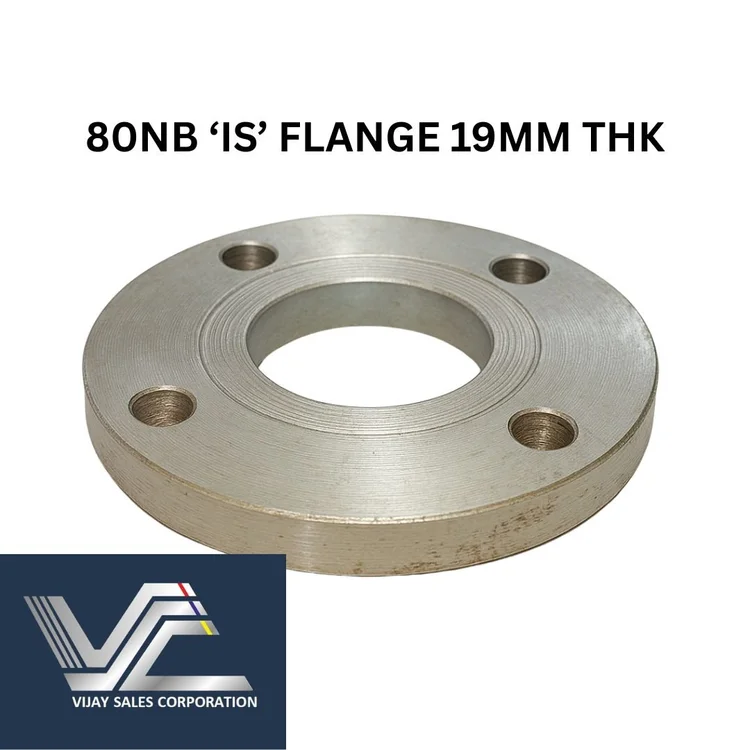
| Flanges | Every valve and every brigade connection lands on one. | MS Table 'E' slip-on and blind; MS 'IS' 12 mm for the hydrant valve |
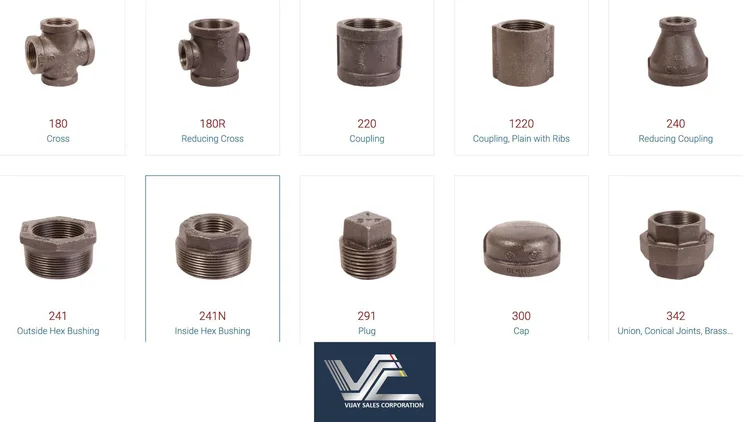
| Fittings | Every elbow, tee and branch off the main. | Sant DI threaded and DI grooved; MS ERW butt welded |
Reading a contractor’s quotation? The line that says only “MS pipe” or “butterfly valve” with no make, no class and no standard is the line to ask about. Every row above has a make and a standard attached, and the quote builder prints them onto your own quotation so you have something to compare against.
The material, make by make
We are an authorised dealer or distributor for every brand below, and the certificates are linked at the top of this page. That matters at inspection: a fire officer can ask where the material came from.
Pipe
The riser and the ring main. Heavy (C Class) to IS:1239 Part-1 is the wall thickness a permanently pressurised fire line is specified in. Which pipe and which class →
Valves
Butterfly valves to isolate, a dual plate NRV after the pump, a Y strainer ahead of both. Sant valves price list →
Fittings
Sant DI threaded for hydrant-valve connections and small-bore branch work, DI grooved for the main. Both UL/FM Approved. Grooved for fire fighting →
Flanges
Table ‘E’ drilling is what Indian fire work is specified in, plus the 12 mm MS ‘IS’ flange the landing valve itself lands on. Flanges price list →
Landing valves & hoses
SS landing valves, short branch pipes to IS 903, RRL hose to IS 636:2018 and swing-type hose reels. NewAge price list →
Brigade connections
Two, three and four-way breeching inlets with NRV, plus the drawout connection. This is the part the fire officer looks for from the street.
Indian standards for a fire hydrant system
There is a distinction worth being clear about, because it is where a lot of confusing advice comes from. Component standards govern the things we sell — what the pipe is made of, how the flange is drilled, what the hose is lined with. System design standards govern how many hydrants a building needs, where they go and what pressure they hold. Those are your fire consultant’s territory and the state fire authority’s, and we do not quote them, because getting that wrong would cost you more than it saved.
What we can tell you precisely is the standard every component we supply is made to:
Component standards we supply to
5 standards| Standard | Covers | What we stock to it |
|---|---|---|
| IS:1239 Part-1 | Steel tubes — the riser, the ring main and the branches | Jindal Hissar MS Heavy (C Class) |
| IS:1239 Part-II | Threaded steel pipe fittings | VS forged threaded 1000 LBS |
| IS:6392 | Steel pipe flanges — Table ‘E’ drilling | MS Table ‘E’ slip-on and blind |
| IS 903 | Short branch pipes, nozzles and couplings | NewAge SS short branch pipe |
| IS 636:2018 | Rubber-lined woven-jacketed (RRL) fire hose | Premier-NewAge Type 1, ISI marked |
Test certificates accompany every order, and sample test certificates and the mill QAP for the pipe are published on the Jindal Hissar price list page.
Fire hydrant system installation — the sequence
So you know what happens in what order, and where the material decision actually sits. This is an overview of the process, not an instruction manual — the work is done by a licensed fire fighting contractor.
- Design and approvalYour fire consultant sizes the tank, the pumps and the pipe, and submits the drawing to the state fire authority. Nothing gets bought before this is settled — buying pipe against a drawing that then changes is the single most expensive mistake on a small fire job.
- Material procurementThe BOQ comes off the approved drawing and goes out for rates. This is the step this website exists for: you can price the whole list yourself in a few minutes and know what the material is actually worth before the quotations arrive.
- Pipe routing and erectionThe riser goes up, the ring main goes in, and the branches are dropped to each landing valve position. Joints are threaded, grooved or welded depending on size and site conditions.
- Valves, hydrants and equipmentButterfly valves, NRV and strainer on the pump header; landing valves, hose boxes and reels on each floor; the breeching inlet outside at ground level.
- Pressure testing and flushingThe line is filled, pressure tested and flushed before the hoses go in. Grit left in a new line is what kills a valve seat in year one — which is what the Y strainer is there to prevent afterwards.
- Inspection and NOCThe fire officer inspects the installed system against the approved drawing. Material makes, IS marks and test certificates get looked at here. What the fire officer checks →
Need the system installed? We do not install — Vijay Sales Corporation supplies the material. WhatsApp us your site details and we will quote the material and point you toward an installer: we supply the material pan-India and work alongside fire fighting installers.
Price a complete hydrant system in about ten minutes
Pipe, valves, forged and DI fittings, grooved fittings, butt welded fittings, flanges and NewAge fire equipment — eight categories, current net rates, GST applied correctly per line, and a serial-numbered PDF at the end. It costs nothing and you do not have to talk to anyone to use it.
Fire hydrant systems — common questions
What is a fire hydrant system?
A fire hydrant system is a network of steel pipe, permanently full of water under pressure, that puts a usable jet of water within reach of every part of a building. A dedicated tank feeds a set of pumps; the pumps feed a vertical main called a wet riser; the riser feeds a landing valve on every floor; and a hose and branch pipe stored beside that valve turn the supply into a jet. A separate inlet outside the building lets the fire brigade pump into the same pipework from its tender. It is a manual system — someone has to open the valve — which is what distinguishes it from a sprinkler system that operates by itself.
What are the parts of a fire hydrant system?
Working along the water: static tank, pump set (main, standby and jockey), Y strainer, non-return valve, butterfly valve, the wet riser itself, landing valves on each floor, RRL delivery hose, branch pipe, hose reel drum, and the fire brigade breeching inlet outside. Holding all of it together are the pipe fittings and the flanges at every valve and every brigade connection. The parts table above names each one and what it does, and the quote builder prices all of them together.
What is a wet riser, and how is it different from a dry riser?
A wet riser is kept permanently full of water under pressure by the jockey pump, so opening a landing valve gives water immediately. A dry riser is empty until the fire brigade charges it from the breeching inlet. Which one a building needs is a design decision taken by your fire consultant against the building's height and occupancy, not a shopping decision — but the pipe, valves, fittings and flanges are largely the same either way, which is why the material list barely changes.
Which Indian standards apply to fire hydrant material?
We can speak for the components we supply, and those carry their own IS numbers: IS:1239 Part-1 for the steel pipe, IS:1239 Part-II for threaded fittings, IS:6392 for Table 'E' flange drilling, IS 903 for short branch pipes and couplings, and IS 636:2018 for RRL fire hoses. The standard that governs how the system as a whole is designed, and which building needs what, sits with your fire consultant and the state fire authority — we do not quote system design codes, because that is not our work.
Do you install fire hydrant systems?
No. Vijay Sales Corporation supplies the material — pipe, valves, fittings, flanges and fire equipment — pan-India from our Delhi warehouse. We work alongside fire fighting installers regularly, and if you do not have a contractor yet, send us your site details on WhatsApp and we will point you in the right direction while quoting the material.
How do I get a price for a complete hydrant system?
Use the Fire Fighting Quote Builder. Tick the material your system needs across all eight categories, enter sizes and quantities, and it applies each supplier's current net rates and the correct GST per line, then gives you a serial-numbered quotation PDF. If you would rather we priced the whole BOQ, send the drawing or the spreadsheet on WhatsApp and a priced quotation comes back the same working day in nearly every case.
The rest of the fire fighting cluster
Every page here links back to the quote builder, so you can move from reading to a priced BOQ whenever you are ready.
Vijay Sales Corporation — India’s Piping Experts since 1961 · 803 International Trade Tower, Nehru Place, New Delhi 110019 · sales@vijaysalescorp.com · +91 9999889008